
A Ferry Ride to Elephanta Island: Ancient Caves & Sea Views
Introduction: Why a Ferry Ride to Elephanta Island Should Be on Every Traveler’s Mumbai Itinerary
Mumbai is more than just skyscrapers, bustling streets, and Bollywood glamour—it’s also home to one of India’s most unique UNESCO World Heritage Sites, Elephanta Island. The journey begins with a ferry ride across the Arabian Sea, offering passengers a refreshing escape from the city’s fast pace. Whether you’re a history lover, a photographer, or someone looking for a peaceful sea view, the ferry ride to Elephanta Island is a blend of adventure and culture.
Not only does this short boat trip promise incredible seascapes, but it also leads to the magnificent Elephanta Caves, rock-cut marvels dating back to the 5th–7th centuries. With fascinating sculptures, intricate carvings, and a serene island backdrop, this day trip is an essential experience when in Mumbai.
The Journey Begins: Experiencing the Ferry Ride Across the Arabian Sea
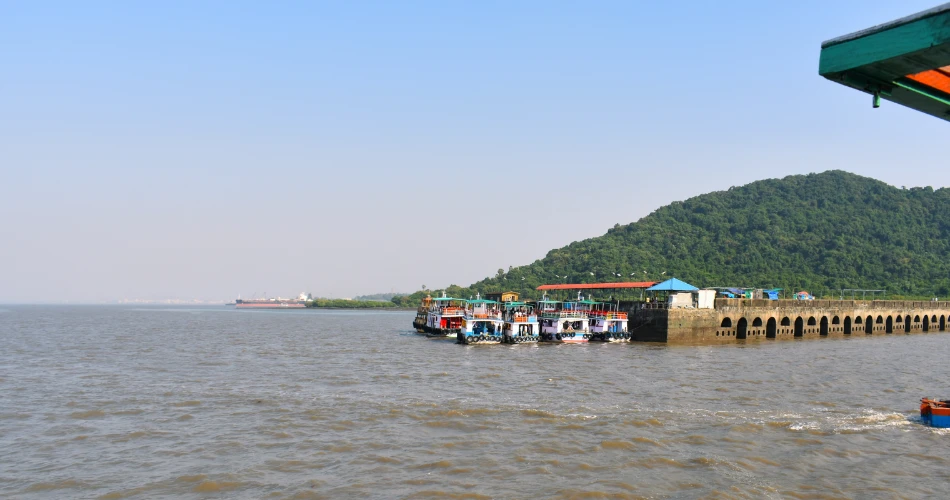
The adventure to Elephanta Island starts at the Gateway of India, Mumbai’s iconic landmark. Here, you’ll find ferries lined up, waiting to take visitors across the Arabian Sea. The ride usually lasts around 60 minutes and offers a refreshing break from Mumbai’s busy atmosphere.
As the ferry glides away from the Gateway of India, the view of the majestic Taj Mahal Palace Hotel against the skyline is a sight worth capturing. The boat slowly makes its way into the open sea, where the waves sparkle under the sun and the breeze provides natural relief from the city’s humidity. You’ll pass other vessels, fishing boats, and occasionally catch sight of seagulls flying alongside.
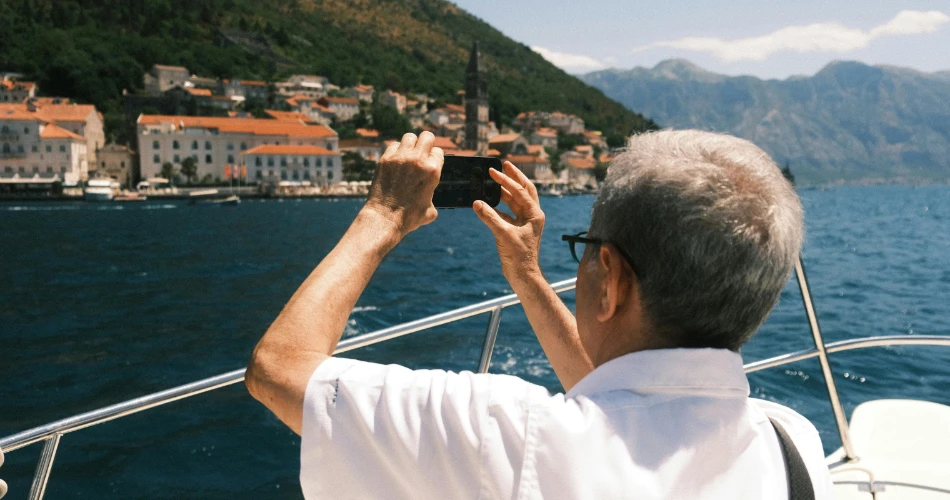
This ride isn’t just about transportation—it’s a mini excursion in itself. Tourists often find themselves absorbed in the panoramic views, capturing photographs, and enjoying the calm rhythm of the water. The ferry also provides glimpses of Mumbai’s harbor activities, adding depth to the experience.
First Impressions of Elephanta Island: A Green Escape from Mumbai’s Bustling City
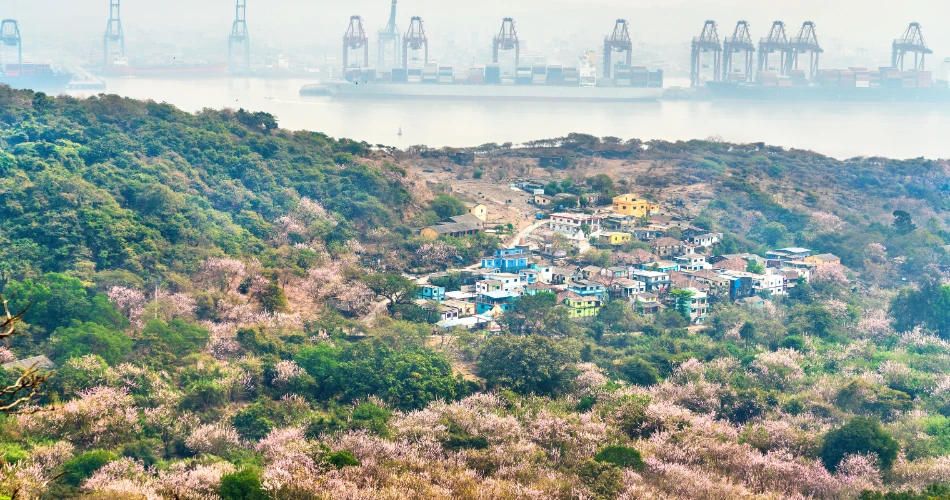
Upon arrival, Elephanta Island feels like stepping into a different world. The busy city sounds are replaced by the gentle hum of nature—chirping birds, rustling leaves, and distant waves. The island is covered in lush greenery, with small village houses and pathways leading toward the caves.
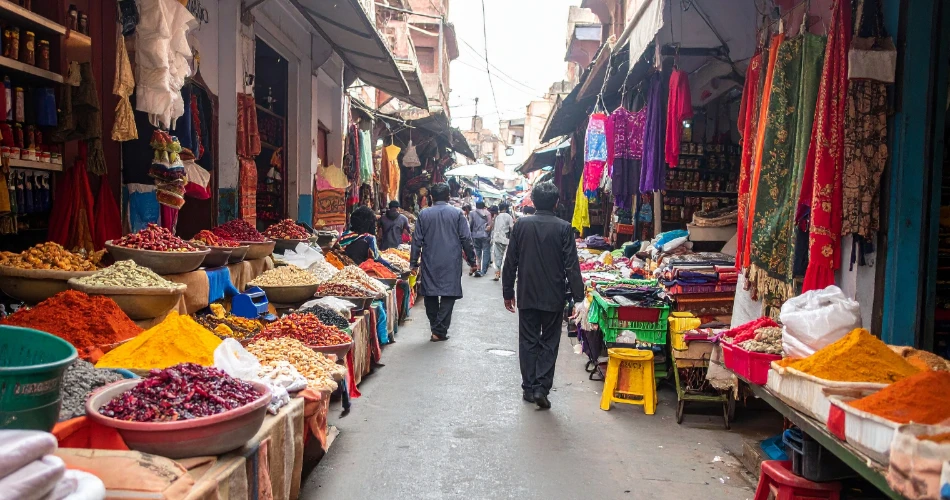
Visitors are greeted by a colorful market at the jetty, filled with souvenirs, local snacks, and handicrafts. As you walk further in, the greenery thickens, offering shade and a calm atmosphere for your trek toward the caves. For those who prefer not to walk, toy trains and hand-pulled carts are available, though the walk itself adds charm to the journey.
The combination of coastal beauty and village simplicity makes the island feel like a tranquil retreat. It’s the perfect contrast to the metropolitan energy of Mumbai, making visitors appreciate the diversity the city offers.
Exploring the UNESCO-Listed Elephanta Caves and Their Historical Significance
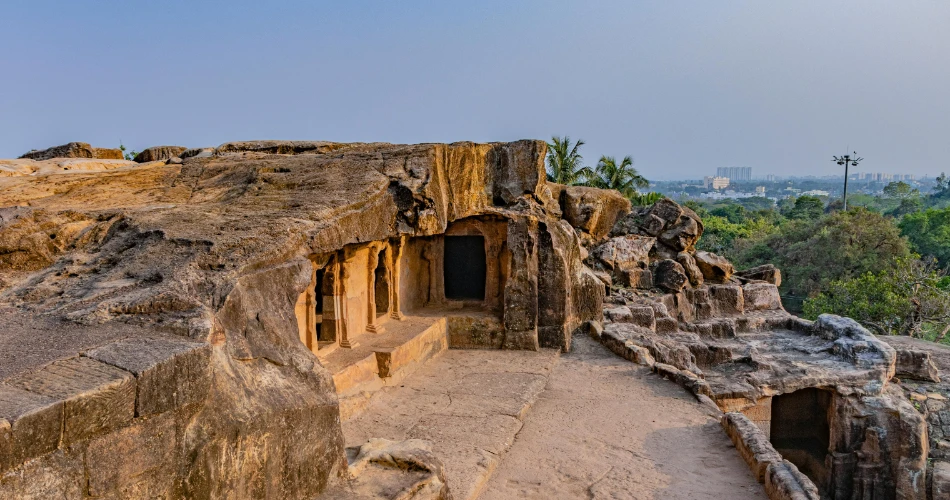
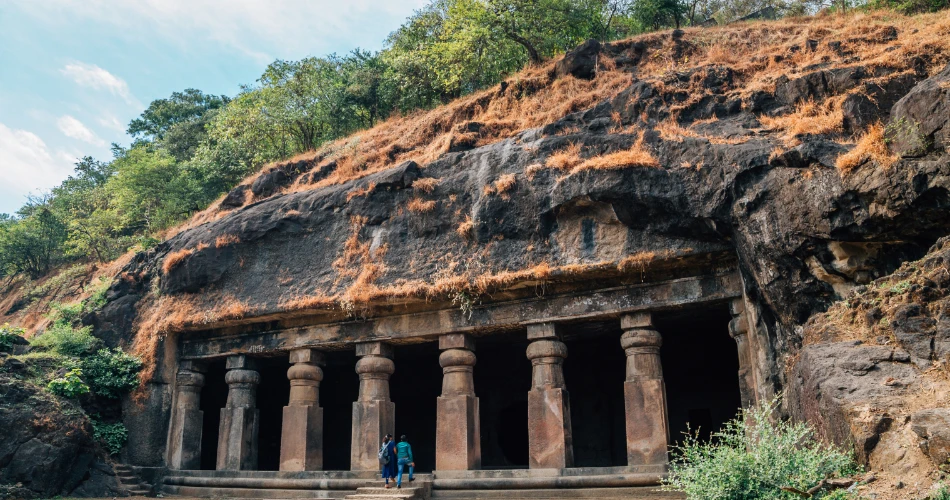
The crown jewel of Elephanta Island is undoubtedly the Elephanta Caves. Recognized as a UNESCO World Heritage Site, these caves date back over 1,500 years and are a fine example of rock-cut architecture. Carved into solid basalt rock, the caves primarily depict Hindu deities, with a strong focus on Lord Shiva.
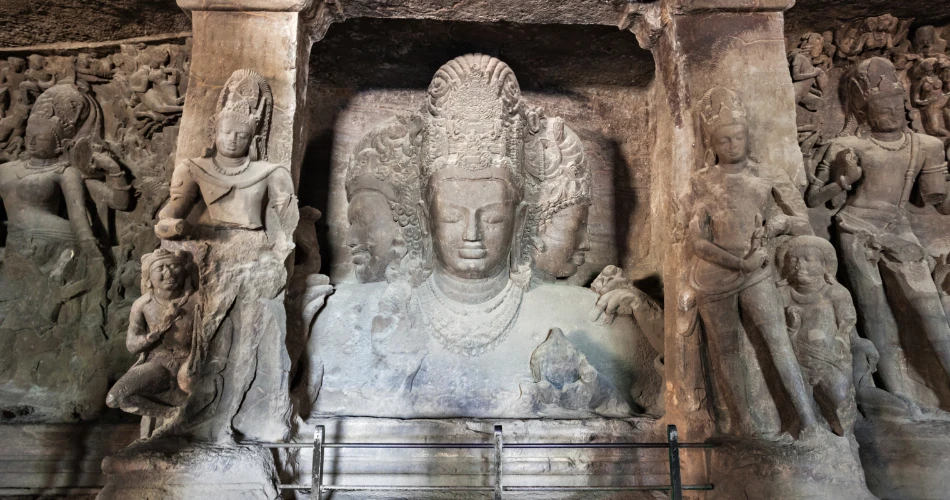
The most iconic sculpture here is the Trimurti—a colossal three-headed depiction of Shiva symbolizing creation, preservation, and destruction. Each cave holds intricate carvings that narrate mythological tales, blending artistry with spirituality. Historians believe the caves were built by rulers of the Kalachuri dynasty, showcasing their devotion and craftsmanship.
Beyond their religious importance, the caves are also a symbol of India’s cultural heritage. Tourists, history enthusiasts, and students of architecture often find the caves a fascinating window into India’s ancient past. The dimly lit interiors add to the mystique, making exploration a mesmerizing experience.
Best Time to Visit Elephanta Island and Practical Travel Tips for Visitors
Timing is everything when planning a trip to Elephanta Island. The best months to visit are from November to March, when the weather is pleasant and the sea is calm. The ferry services are often suspended during the monsoon (June to September) due to rough waters, so plan accordingly.
Start your day early, as ferries begin operating around 9 AM and the last return ferry is usually by 5:30 PM. Arriving early ensures you can explore the caves without rushing. Comfortable footwear is a must since you’ll be walking uphill and navigating rocky paths. Carrying water, sunscreen, and a hat is advisable, as the island can get hot during midday.
Foreign tourists should carry small denominations of Indian currency for entry fees, snacks, and souvenirs. Photography enthusiasts are encouraged to carry good cameras, as both the sea views and cave interiors offer fantastic opportunities.
Immersing in Culture: Local Markets, Street Food, and Village Life on the Island
While the caves are the highlight, Elephanta Island offers much more for curious travelers. The markets near the jetty and along the pathways are filled with stalls selling handmade jewelry, artifacts, and colorful souvenirs. Bargaining is common, and it’s a great way to take home a memory of the trip.
Food stalls serve local snacks such as vada pav, bhel puri, and fresh coconut water—perfect for refreshing yourself after exploring the caves. The charm of the island lies in its simplicity; you’ll see villagers going about their daily lives, children playing, and local artisans at work.
This cultural immersion is a reminder that Elephanta Island isn’t just a historical site—it’s a living community. Respectful interactions with locals can make your visit even more meaningful.
Capturing the Beauty: Scenic Views and Photography Opportunities During the Ferry Ride and Island Walks
Photography lovers will find Elephanta Island a treasure trove. From the ferry, you can capture breathtaking shots of Mumbai’s skyline fading into the distance, while the endless sea creates a stunning natural frame. The sight of fishing boats, seagulls, and waves adds dynamic elements to photos.
On the island, the combination of lush greenery, rocky cave structures, and cultural markets provide endless backdrops for creative shots. The Trimurti inside the main cave is a must-capture, though natural lighting makes it slightly challenging—adding to its charm. Sunset views on the return ferry are another highlight, offering a magical end to the day.
For social media enthusiasts, Elephanta Island provides plenty of Instagram-worthy moments. Hashtags like #ElephantaIsland, #MumbaiTravel, and #UNESCOHeritageSite are popular among travelers.
Conclusion: Why a Ferry Ride to Elephanta Island is the Perfect Blend of Adventure, History, and Nature
A ferry ride to Elephanta Island is more than just a day trip—it’s a journey that encapsulates the essence of Mumbai. From the moment you step onto the ferry, the adventure begins with sea breezes, panoramic views, and an escape from urban chaos. Once on the island, the ancient caves narrate tales of devotion, artistry, and history that stand timeless.
Pair this with cultural interactions, local flavors, and breathtaking photography opportunities, and you have a trip that stays etched in memory. For travelers looking to experience the best of Mumbai beyond its cityscape, Elephanta Island is an unmissable destination.


About Author
Amelia has a great eye for photography. She has traveled to over 30 countries and has produced great videography and photos, along with penning them down with her writing skills. She has also worked with many top travel photographers.