

Pengenalan: Mengapa Banganga Tank adalah Simbol Abadi Warisan Mumbai
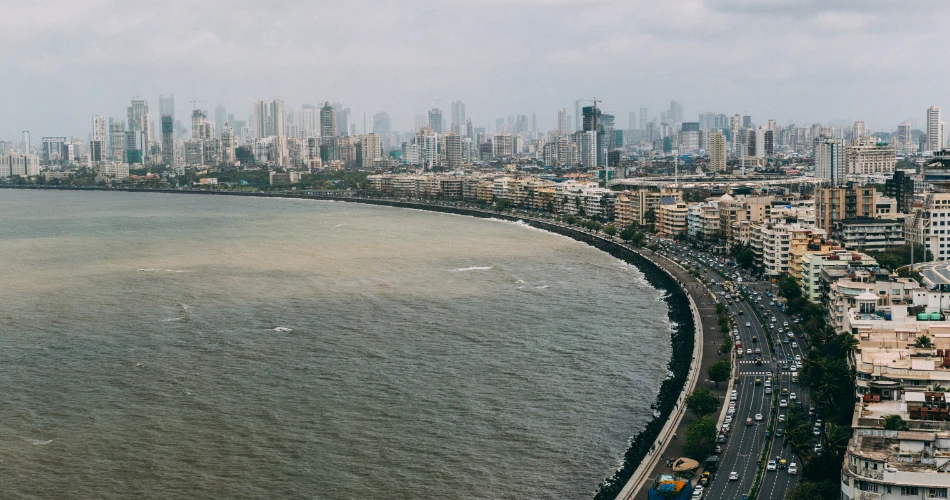
Di jantung Mumbai, dikelilingi oleh gedung pencakar langit yang menjulang dan kekacauan kehidupan modern, terletak permata tersembunyi yang terasa beku dalam waktu – Banganga Tank. Terletak di daerah Malabar Hill, reservoir air yang berusia berabad-abad ini lebih dari sekadar badan air. Ini adalah bab hidup dari sejarah budaya, spiritual, dan arsitektur Mumbai. Para pelancong, penggemar sejarah, fotografer, dan pencari spiritual tertarik ke Banganga bukan hanya karena ketenangannya tetapi juga karena kisah-kisah menawan yang terukir di dalam batunya.
Menjelajahi Banganga Tank seperti melangkah ke dunia lain, di mana legenda kuno, kuil-kuil berusia berabad-abad, dan rasa komunitas yang kuat masih berkembang di tengah pembangunan perkotaan. Panduan ini akan membawa Anda dalam perjalanan kembali ke masa lalu, mengungkap sejarahnya, makna spiritualnya, dan vibrasi budaya yang kaya, sekaligus membantu Anda merencanakan kunjungan Anda.
Asal Usul Kuno dan Legenda Mitologis di Sekitar Banganga Tank
Banganga Tank dipercaya dibangun pada tahun 1127 M oleh dinasti Silhara. Menurut legenda, Lord Rama, selama pengasingannya, berhenti di tempat ini untuk mencari air bagi saudaranya yang kehausan, Lakshmana. Tidak dapat menemukan sumber air tawar, Rama dikatakan telah menembakkan sebuah panah (dikenal sebagai ban dalam bahasa Sanskerta) ke tanah, secara ajaib menciptakan sebuah mata air dari sungai suci Ganges (Ganga). Oleh karena itu, nama Banganga – kombinasi dari ban (panah) dan Ganga (sungai suci).
Legenda ini mengubah tank menjadi lebih dari sekadar waduk; ia adalah simbol iman dan intervensi ilahi. Bahkan hingga hari ini, penduduk lokal dan para pengikut menganggap airnya suci dan percaya bahwa air tersebut tidak pernah kering meskipun dikelilingi oleh air laut yang asin.
Asal usul Banganga mengungkapkan bagaimana mitos dan sejarah bergabung di situs warisan India, menambahkan lapisan kedalaman budaya. Bagi para pecinta warisan, ini adalah pengingat yang menarik tentang bagaimana iman dan arsitektur hidup berdampingan untuk menciptakan landmark yang abadi.
Kemegahan Arsitektur dan Struktur Warisan di Sekitar Banganga Tank
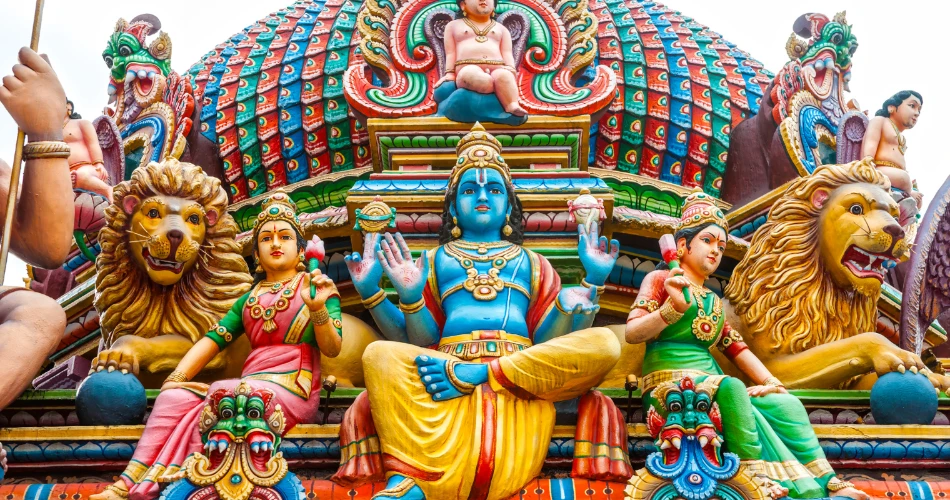
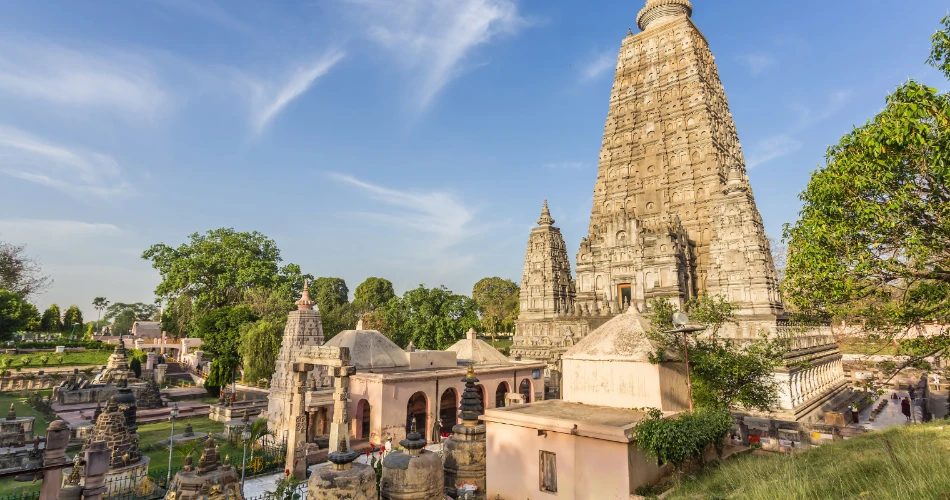
Salah satu aspek yang paling mencolok dari Banganga Tank adalah desainnya yang persegi panjang, dikelilingi oleh tangga di keempat sisinya. Tangga-tangga ini membawa pengunjung turun ke air suci, menciptakan rasa penurunan ritualistik. Di sekitar tank terdapat kuil-kuil yang dipahat dari batu, tempat-tempat suci, dan dharamshala (rumah istirahat) yang membawa Anda kembali berabad-abad.
Kuil Walkeshwar, yang didedikasikan untuk Lord Shiva, adalah kuil paling menonjol di daerah ini dan merupakan situs ziarah utama. Kuil-kuil kecil yang didedikasikan untuk dewa-dewi seperti Lord Vishnu, Ganesha, dan Hanuman menambah aura spiritual. Rumah-rumah tua dan jalan-jalan berbatu di sekitar tank menunjukkan kemiripan yang kuat dengan ghats di Varanasi, menjadikannya pemandangan langka di kota Mumbai yang ramai.
Paduan antara makna mitologis dan kemegahan arsitektur menjadikan Banganga Tank salah satu landmark warisan paling unik di Mumbai. Menjelajahi arsitekturnya memungkinkan para pelancong merasakan bagaimana spiritualitas memengaruhi gaya konstruksi kuno.
Signifikansi Spiritual dan Agama dari Banganga Tank dalam Kehidupan Sehari-hari
Bagi penduduk lokal, Banganga Tank bukan hanya sebuah monumen – ini adalah pusat spiritual. Setiap hari, orang berkumpul di tangga untuk berdoa, melakukan ritual, dan melakukan pencelupan suci. Airnya dianggap memurnikan, dan banyak ritual yang terkait dengan kehidupan dan kematian dilakukan di sini, mirip dengan Ganges di India utara.
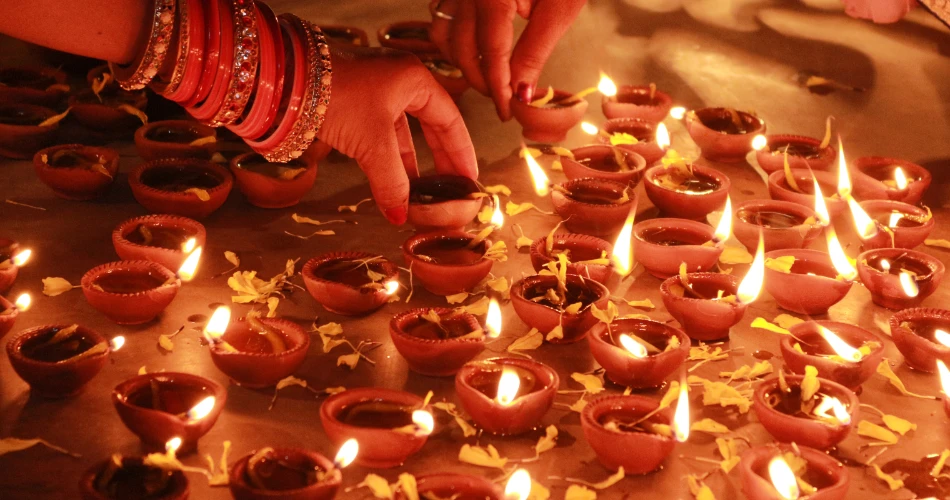
Para pengikut sering mengunjungi Kuil Walkeshwar setelah mandi di kolam, menjadikannya bagian penting dari sirkuit spiritual di Mumbai. Selama festival seperti Mahashivratri dan Navratri, seluruh area hidup dengan nyanyian, lampu, dan perayaan budaya.
Kolam ini juga memainkan peran penting dalam ritual leluhur. Keluarga melaksanakan upacara untuk arwah yang telah meninggal di sini, percaya bahwa air suci akan memberkati orang-orang tercinta mereka di kehidupan setelah mati. Koneksi spiritual ini memberikan Banganga Tank relevansi abadi yang melampaui waktu.
Acara Budaya dan Festival Tahunan yang Merayakan Warisan Banganga
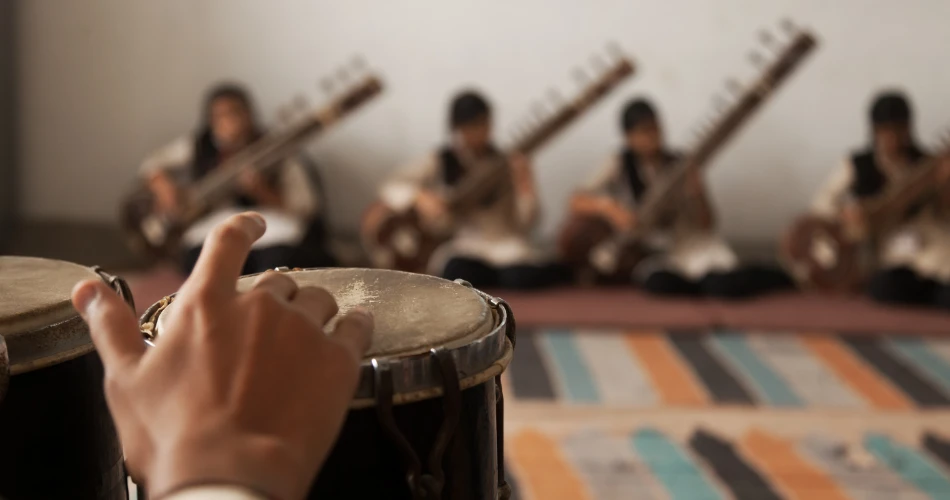
Selain dimensi spiritualnya, Banganga Tank juga menjadi panggung untuk perayaan budaya. Acara yang paling terkenal adalah Festival Musik Banganga, yang diselenggarakan setiap tahun oleh Maharashtra Tourism Development Corporation (MTDC). Festival ini mengubah langkah-langkah kuno menjadi amfiteater ajaib di mana legenda musik klasik tampil di latar belakang sejarah.
Penampilan ini tidak hanya tentang musik – tetapi juga tentang menghidupkan kembali dan melestarikan tradisi seni India dalam lingkungan yang kaya warisan. Bagi pengunjung, menghadiri festival ini menawarkan perpaduan unik antara perendaman budaya dan penjelajahan sejarah.
Acara-acara kecil lainnya termasuk prosesi religius, pertunjukan rakyat, dan upacara kuil, semuanya menyoroti pentingnya tank sebagai pusat budaya yang hidup.
Hidup di Sekitar Banganga: Menjelajahi Komunitas Lokal, Jalanan, dan Cerita
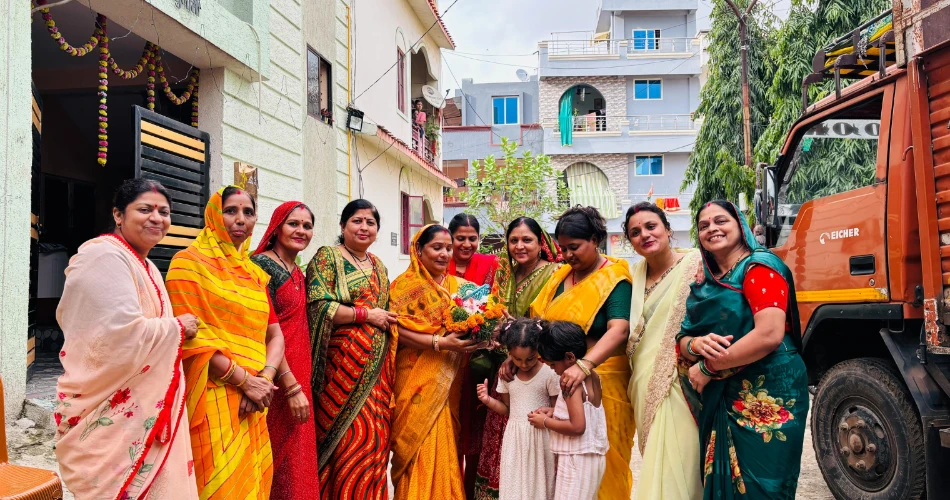
Menjelajahi Banganga Tank tidak terbatas pada kolam itu sendiri – jalan-jalan sempit dan rumah-rumah tua di sekitarnya juga sangat menarik. Area ini adalah rumah bagi komunitas kecil tetapi erat yang telah mempertahankan gaya hidup tradisional mereka selama beberapa generasi. Berjalan melalui jalan-jalan ini terasa seperti melangkah ke dalam lukisan sejarah, di mana waktu bergerak dengan ritmenya sendiri.
Anda akan menemukan para pendeta, pemilik toko, keluarga lokal, dan anak-anak menjalani rutinitas sehari-hari mereka, banyak di antara mereka memiliki hubungan ancestral yang dalam dengan situs ini. Kisah, ritual, dan keramahan mereka memperkaya pengalaman mengunjungi Banganga. Para pelancong sering kali merasa terpesona dengan bagaimana komunitas-komunitas ini mempertahankan tradisi mereka sambil dikelilingi oleh gedung pencakar langit modern Mumbai.
Kehidupan bersama warisan dan modernitas di sini menciptakan museum hidup yang dapat dialami langsung oleh para pelancong.
Tips Perjalanan dan Panduan Pengunjung untuk Menjelajahi Banganga Tank di Mumbai
Jika Anda merencanakan untuk mengunjungi Banganga Tank, berikut adalah beberapa tips penting:
-
Waktu Terbaik untuk Berkunjung: Pagi hari atau sore hari untuk suasana yang tenang. Bagi pecinta budaya, mengunjungi selama Festival Musik Banganga sangat dianjurkan.
-
Cara Mencapai: Terletak di Malabar Hill, lokasi ini mudah diakses dengan taksi, auto-rickshaw, atau bus lokal dari mana saja di Selatan Mumbai.
-
Tiket Masuk: Gratis untuk semua pengunjung, menjadikannya salah satu situs warisan paling mudah diakses di Mumbai.
-
Apa yang Harus Dibawa: Sepatu berjalan yang nyaman, kamera untuk fotografi, dan sikap menghormati terhadap ritual dan penduduk setempat.
-
Daya Tarik Terdekat: Taman Kamala Nehru, Taman Gantung, dan Marine Drive dekat dengan lokasi ini, memudahkan untuk merencanakan jalur warisan.
Mengunjungi Banganga Tank adalah tentang membenamkan diri dalam spiritualitas, budaya, dan sejarah. Ini bukan hanya pemberhentian wisata – ini adalah pengalaman yang meninggalkan Anda dengan rasa damai dan koneksi yang abadi.

Kesimpulan: Mengapa Banganga Tank Tetap Menjadi Harta Abadi Mumbai
Banganga Tank lebih dari sekadar waduk – ini adalah bukti hidup dari sejarah berlapis dan jiwa budaya Mumbai. Dari legenda kuno tentang Lord Rama hingga keajaiban arsitektur dinasti Silhara, dari praktik spiritual sehari-hari hingga festival budaya yang megah, Banganga menawarkan sesuatu untuk semua orang.
Bagi para pelancong, ini adalah kesempatan langka untuk menjauh dari kebisingan Mumbai dan memasuki ruang di mana waktu terasa terhenti. Bagi penduduk lokal, ini tetap menjadi tempat suci, yang sangat terjalin dalam identitas budaya dan spiritual mereka.
Menjelajahi Banganga Tank bukan hanya tentang melihat sebuah tempat – ini tentang merasakan cerita, tradisi, dan hubungan yang terus hidup melalui air, kuil-kuil, dan orang-orang. Sungguh, Banganga adalah perjalanan kembali ke masa lalu yang harus diambil setiap pelancong saat berada di Mumbai.